Councils and Their Canons
Fourth Ecumenical Council: Chalcedon (451)
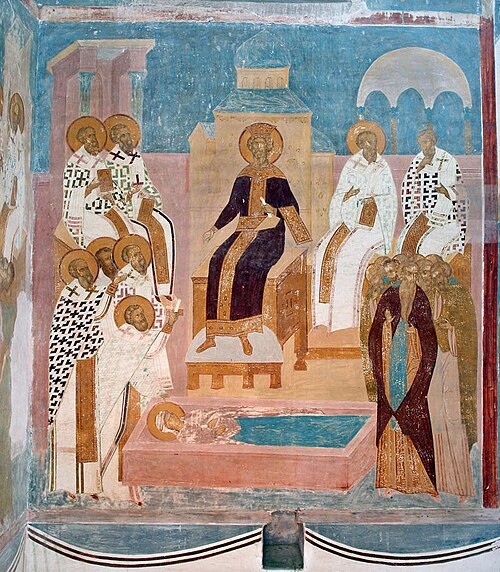
Defined the two natures of Christ, divine and human, in one Person, "without confusion, without change, without division, without separation." Condemned the one-nature teaching of Eutyches. Canon 28 gave the see of Constantinople privileges equal to those of older Rome while ranking it second in order after her; Rome refused to ratify that canon, though it received the definition of faith. 630 bishops attended, the largest of the ancient councils.
Sources
- Chalcedonian Definition (Horos), Fourth Ecumenical Council (451 AD) the Acts, NPNF
- Canon 28, Fourth Ecumenical Council the Acts, NPNF
- Acta of the Fourth Ecumenical Council (Chalcedon, 451 AD)
- St. Cyril of Alexandria, Letters on the Two Natures the Ephesus documents