Church History
Edict of Milan (313 AD)
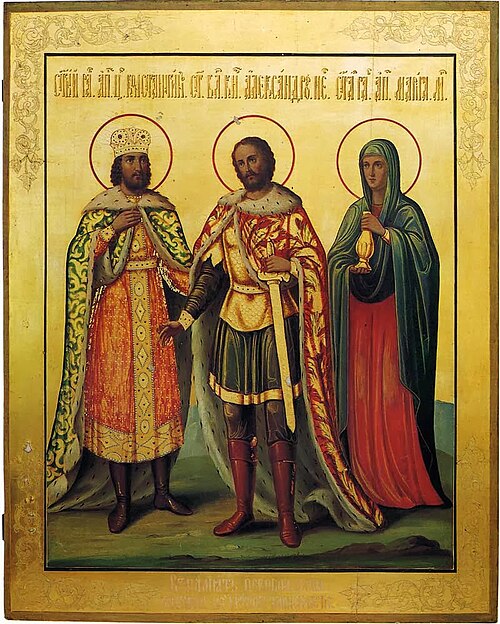
The agreement reached at Milan in 313 between Constantine, emperor in the West, and Licinius, in the East, to grant Christians and everyone else the freedom to worship as they chose, and to give back the churches, cemeteries and property that had been seized. It was not strictly an edict, and it was not issued at Milan: the text survives as a letter Licinius sent to the governors from Nicomedia, preserved by Lactantius and by Eusebius. Galerius had called off the persecution by an edict of toleration in 311, grudgingly, on his deathbed, and Maximinus Daia took it up again in the East. What was new in 313 was that freedom was given not grudgingly but as policy, and to everyone. Within a lifetime the Church went from the arena to the councils of the empire, with all that the change brought, for good and for ill.