Monasticism
Types of Monasticism
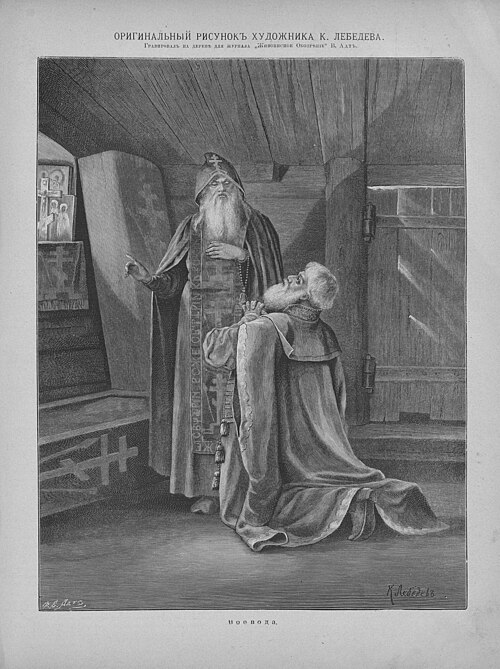
The ways the monastic life is lived, all of them older than any rule that describes them. The coenobium is a community with everything in common, meals, work and prayer, under an abbot, as St Pachomius founded it in Egypt, St Basil gave it its rules and St Theodore the Studite its Byzantine form. The lavra, as St Sabbas built his in the Judaean desert, scatters its monks in cells around a church and gathers them at the weekend. The skete is a village of small houses around a central church; the kellion is a single house with its elder and one or two disciples; and the hermit lives alone, as some still do in the cliffs at the southern tip of Athos. The idiorrhythmic way, where each monk kept his own purse and table, spread on Athos in the late Middle Ages and ended there in 1992, when the last such house returned to the common life.
Sources
- St. Basil the Great, Longer and Shorter Rules the Ascetical Works, to borrow
- St. John Cassian, Conferences and Institutes NPNF
- St. Theodore the Studite, The Small Catechesis