Monasticism
Monasticism
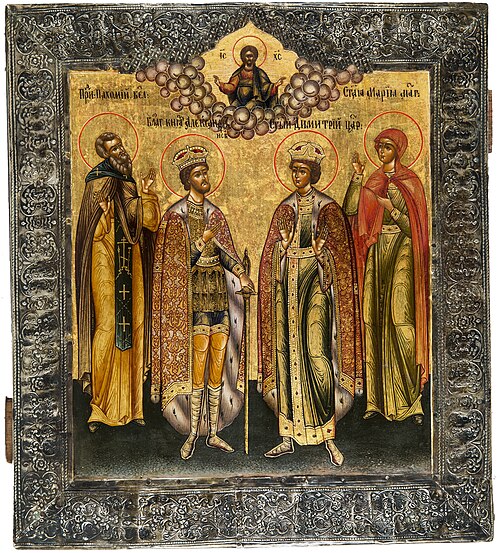
The monastic life: withdrawal from the world for unceasing prayer and repentance. It began in the Egyptian desert in the late third century with St. Anthony the Great, and received communal form from St. Pachomius and St. Basil the Great. Orthodoxy has no separate religious orders - there is a single monastic state in three forms: the hermit’s solitude, the coenobitic community, and the skete between them. Entry is by tonsure, and the vows are for life.
Sources
- St. Athanasius, Life of Anthony NPNF
- St. Basil the Great, Longer and Shorter Rules the Ascetical Works, to borrow
- Palladius, Lausiac History archive.org
- Timothy Ware, The Orthodox Church archive.org, to borrow
Connections
- Ascetical Homilies of St. Isaac the Syrian
- Hesychasm
- Holy Matrimony (Marriage)
- Meteora Monasteries
- Monastic Tonsure
- Mount Athos (Holy Mountain)
- Optina Pustyn
- Ss. Neophytos, Ignatios, Prokopios and Neilos of Machairas
- St. Anastasia the Roman
- St. Anthony the Great (c. 251-356)
- St. Basil the Great (330-379)
- St. Catherine's Monastery (Sinai)
- St. Dorotheos of Gaza
- St. Euthymius the Great
- St. George Karslidis (1901-1959)
- St. Gerasimos of the Jordan
- St. Herman of Alaska (c. 1756-1836)
- St. John Lampadistis (10th c.)
- St. John of Rila
- St. Macarius the Great
- St. Macrina the Younger
- St. Maria of Paris
- St. Mary of Egypt
- St. Melania the Younger (c. 383-439)
- St. Nektarios of Aegina (1846-1920)
- St. Neophytos the Recluse
- St. Nil Sorsky
- St. Pachomius the Great
- St. Sergius of Radonezh
- St. Simeon the Stylite
- The Desert Fathers and Mothers
- The Ladder of Divine Ascent
- The Orthodox Church of Finland
- The Prophet Elijah
- Trinity-Sergius Lavra
- Types of Monasticism