Spiritual Life & Practices
Hesychasm
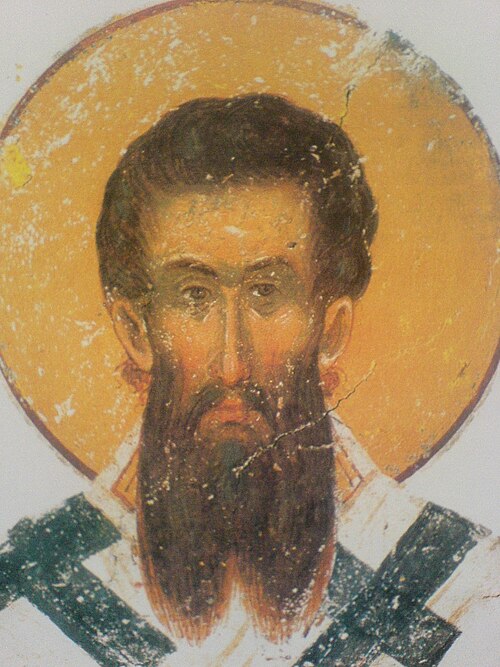
The tradition of stillness, hesychia, in which the monk guards the intellect against every thought, brings it down into the heart and prays there without ceasing, above all with the Jesus Prayer. Its roots are in the desert and in St John Climacus, who wrote that the hesychast strives to confine the bodiless within the house of the body. Late Byzantine writers, St Gregory of Sinai among them, taught a bodily discipline to go with it: sitting low, the head bowed, the breath slowed with the words of the prayer. They called it a help and never the thing itself. When Barlaam of Calabria mocked the monks as men with their souls in their navels, and denied that the light they saw could be God’s own, St Gregory Palamas answered in the Triads, and the councils of Constantinople between 1341 and 1351 upheld him: the light of Tabor is the uncreated glory of God, and those who are purified may see it. The tradition went north with the disciples of St Gregory of Sinai and came back to life in the eighteenth century through St Paisius Velichkovsky and, after him, Optina.
Sources
- St. Gregory Palamas, Triads archive.org, to borrow
- The Philokalia the Greek text, Athens 1893
- St. Gregory of Sinai, On Commandments and Doctrines
- St. John Climacus, The Ladder of Divine Ascent, Step 27 archive.org, to borrow
Connections
- Ascetical Homilies of St. Isaac the Syrian
- Hesychast Controversy (14th c.)
- Monasticism
- Mount Athos (Holy Mountain)
- Prayer Rope (Komboskini/Chotki)
- Prelest (Spiritual Delusion)
- St. Arsenios the Great
- St. Gregory of Sinai
- St. Gregory Palamas (1296-1359)
- St. Isaac the Syrian
- St. John Climacus (of the Ladder)
- St. Joseph the Hesychast
- St. Macarius the Great
- St. Nil Sorsky
- St. Paisios of Mount Athos (1924-1994)
- St. Paisius Velichkovsky (1722-1794)
- St. Symeon the New Theologian (949-1022)
- The Jesus Prayer
- The Nous and the Heart
- The Palamite Councils (1341-1351)
- The Philokalia
- The Triads (In Defence of the Holy Hesychasts)
- The Way of a Pilgrim
- Theosis (Deification)
- Transfiguration of Christ: August 6