Church History
Soviet Persecution of the Church
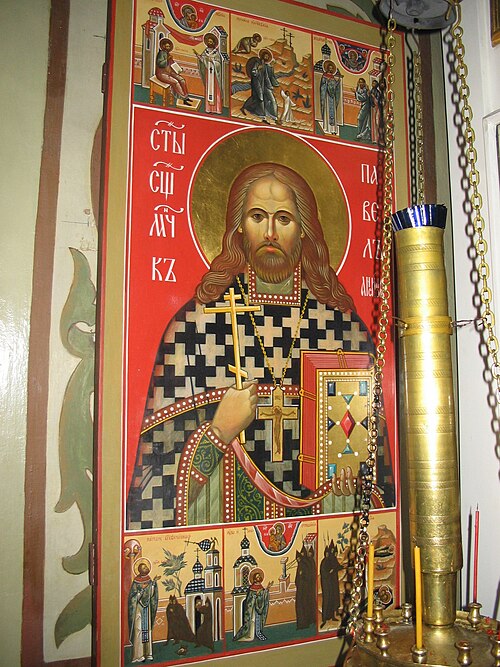
The seventy years in which the Soviet state set out to end religion in Russia, and came close. From 1918 the Church lost its property and legal existence; in 1922 the confiscation of church valuables, under the pretext of famine relief, brought the first mass trials and executions, beginning at Shuya; Patriarch Tikhon was imprisoned and the state backed the Renovationist schism against him. In 1927 Metropolitan Sergius declared the Church loyal to the Soviet state, a step that divided the faithful then and is argued over still. The Great Terror of 1937 and 1938 was the worst of it: of some fifty-four thousand parish churches open in 1917, a few hundred were open by 1939. Tens of thousands of clergy, monks and nuns were shot or died in the camps, and the Russian Church has glorified more than a thousand of them by name as the New Martyrs and Confessors. Stalin allowed a revival in wartime, in 1943, Khrushchev closed half the churches again, and only the millennium of 1988 brought freedom.
Sources
- Dimitri Pospielovsky, The Russian Church Under the Soviet Regime 1917-1982
- Alexander Yakovlev, A Century of Violence in Soviet Russia
- The Council of Bishops of the Russian Orthodox Church (2000), the glorification of the New Martyrs and Confessors