Theology & Dogma
Ousia (Essence/Nature)
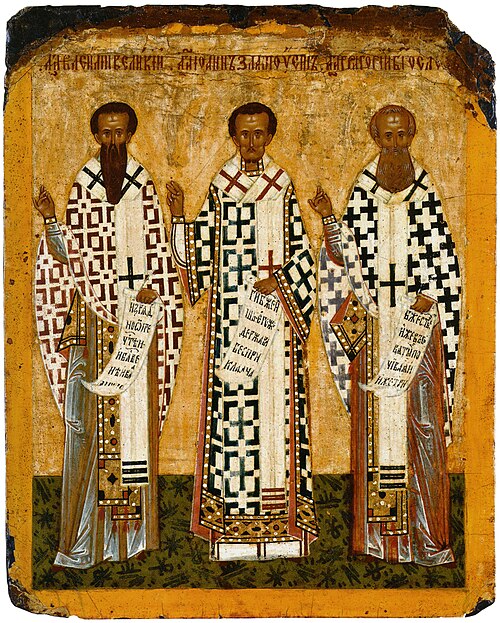
Essence: what something is, and in God what is common to the Father, the Son and the Spirit, so that each is wholly God and there are not three gods. Eunomius claimed that the divine essence could be known and named - that God simply is unbegottenness - and so that the begotten Son could not be God. St Basil and St Gregory of Nyssa answered that we do not know the essence even of an ant, still less of God, and that every name we give God names something about Him, never what He is. That refusal is the root of the apophatic tradition and of the distinction between the unknowable essence and the energies in which God gives Himself. In the language of the councils about Christ, ousia and nature mean the same: He has two, divine and human.
Sources
- St. Basil the Great, Against Eunomius
- St. Gregory of Nyssa, Against Eunomius NPNF
- St. Gregory Palamas, The Triads archive.org, to borrow
- Fourth Ecumenical Council (451 AD), the Definition of Faith