Theology & Dogma
Essence-Energies Distinction
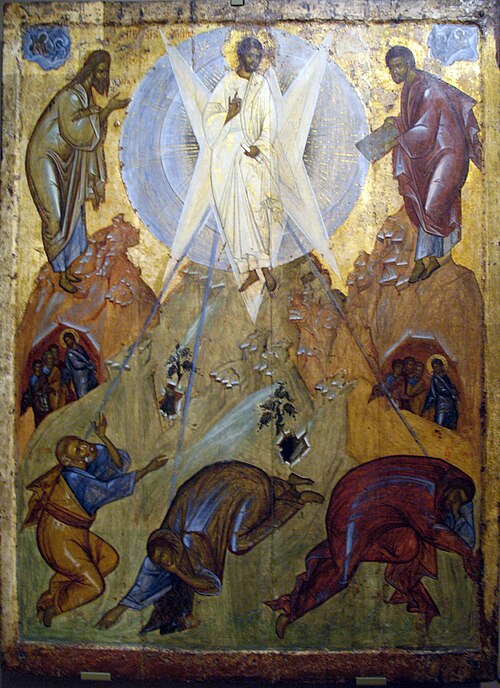
God is wholly unknowable in what He is, and wholly present in what He does. His essence no creature will ever grasp or share, in this life or the next; His energies - His life, grace, light, power and love - are God Himself acting and given, uncreated, and in them God is truly known and truly shared. St Basil had said we know God from His energies and do not claim to approach His essence. When Barlaam argued that the light the hesychasts saw must be created or else God had been divided, St Gregory Palamas answered that the energies are not a part of God but God, as the rays are the sun, and the councils of 1341, 1347 and 1351 confirmed him. The distinction is what lets the Orthodox Church say both that God is beyond everything and that a human being can be deified, and it is why grace in Orthodox theology is uncreated.
Sources
- St. Basil the Great, Letter 234 NPNF
- St. Gregory Palamas, The Triads archive.org, to borrow
- Palamite Councils of Constantinople (1341, 1347, 1351), the Synodal Tome
- St. John of Damascus, Exact Exposition of the Orthodox Faith I.14 NPNF
Connections
- Apophatic Theology
- Grace Is Uncreated
- Hesychast Controversy (14th c.)
- Ousia (Essence/Nature)
- Sophiology
- St. Basil the Great (330-379)
- St. Gregory Palamas (1296-1359)
- St. John of Damascus (c. 676-749)
- The Mystical Theology of the Eastern Church
- The Palamite Councils (1341-1351)
- The Triads (In Defence of the Holy Hesychasts)
- Theosis (Deification)
- Transfiguration of Christ: August 6