Theology & Dogma
Soteriology (Salvation)
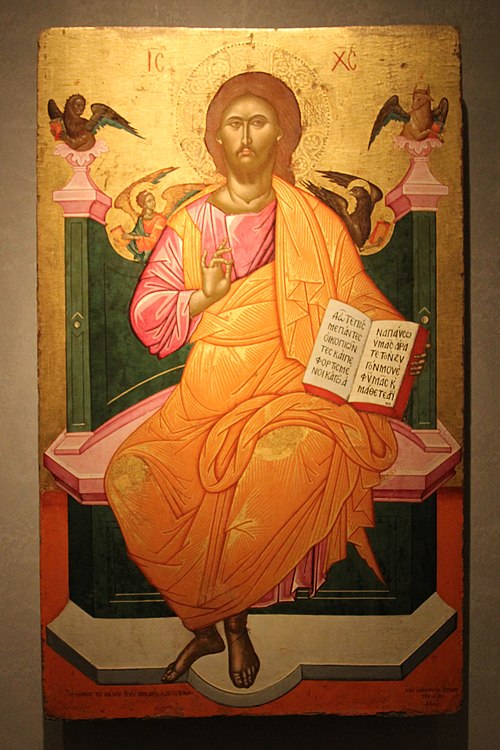
Salvation in the Orthodox understanding is healing and deliverance before it is acquittal. Sin is a sickness and death a captivity, and Christ is the physician who takes on the disease and the victor who breaks the prison: by death He trampled down death, as the Paschal hymn says every day for forty days. The cross is the fullest act of love and the defeat of the devil, and the Resurrection is its meaning. The Fathers use the language of ransom and sacrifice freely, but St Gregory the Theologian asks to whom the ransom was paid and answers: not to the devil, and not to a Father who demanded it. The Orthodox tradition has never made the satisfaction of divine justice the centre of the account, as the Latin West did after Anselm. The end of salvation is not a changed verdict but a changed person: theosis.
Sources
Connections
- Ancestral Sin (vs. Original Sin)
- Epistles of St. Paul
- Holy Baptism
- On the Incarnation (St. Athanasius)
- Pascha (Easter)
- Recapitulation (Anakephalaiosis)
- St. Athanasius the Great (c. 296-373)
- St. Gregory the Theologian (329-390)
- St. Irenaeus of Lyon (c. 130-202)
- St. John Chrysostom (c. 349-407)
- Synergy (Free Will & Grace)
- The Cross & Crucifixion
- The Descent into Hades
- Theosis (Deification)